Sodium Hydrosulfide (NaHS) is a versatile industrial chemical widely used in mining, tanning, pulp and paper, wastewater treatment, and chemical synthesis. Its strong reducing properties and sulfur content make it essential in modern manufacturing processes.
This guide covers the key properties, production process, industrial applications, and packaging options of sodium hydrosulfide to help buyers and technical professionals better understand its value.
Key Properties of Sodium Hydrosulfide (NaHS)
Understanding the physical and chemical characteristics of NaHS is crucial for safe handling and industrial performance.
Product Name: Sodium Hydrosulfide
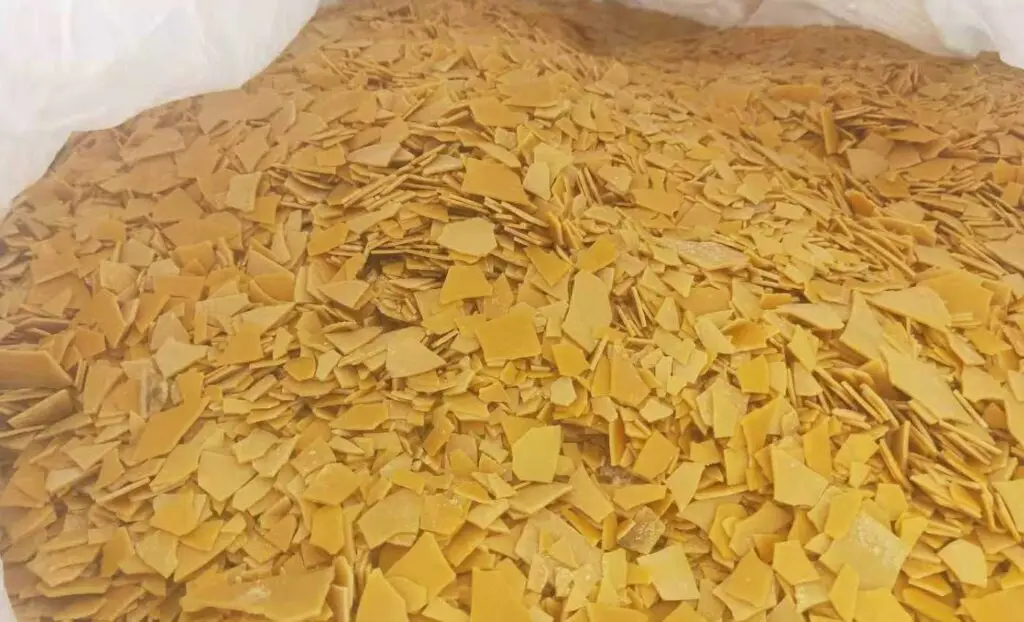
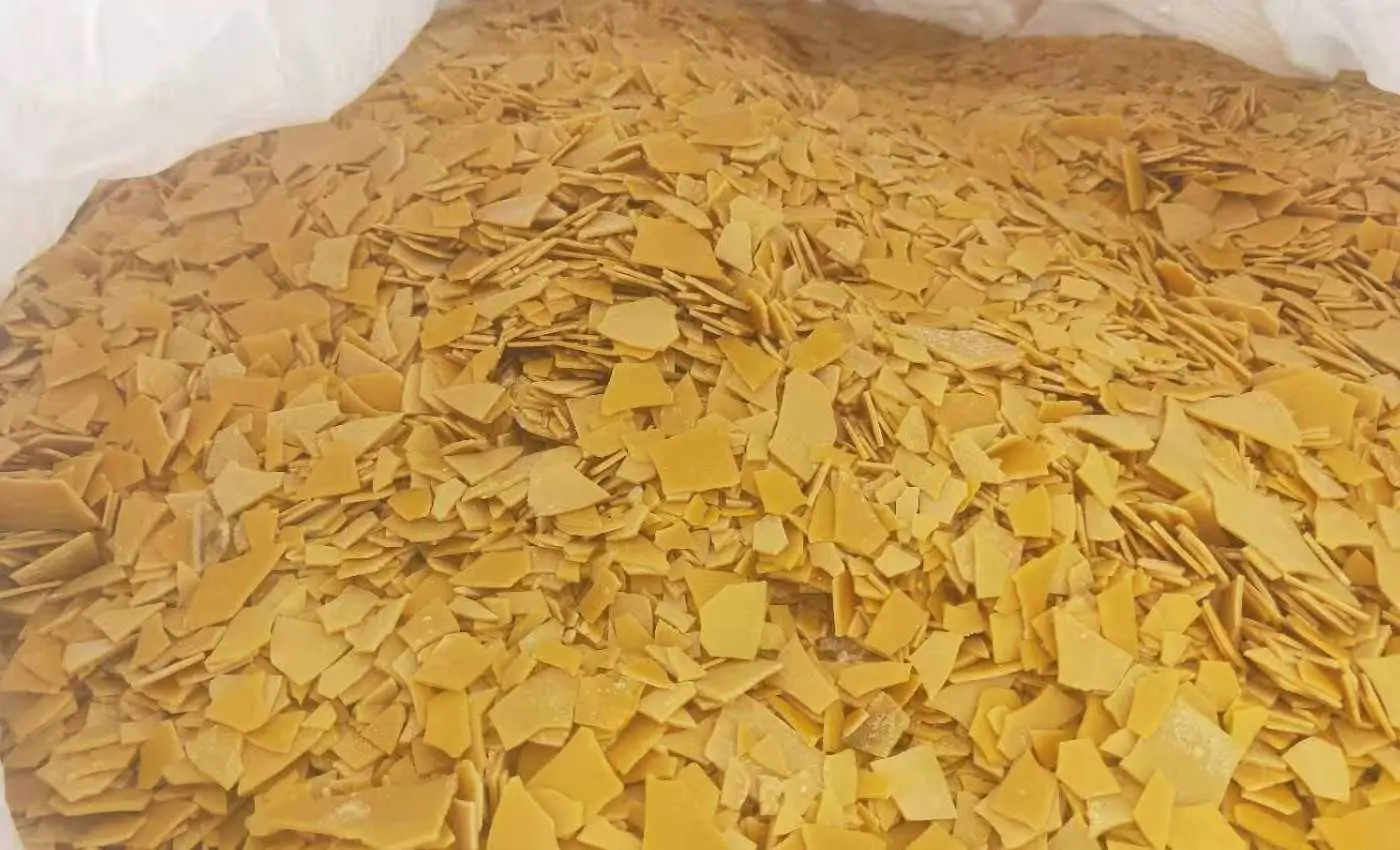
Appearance: Yellow flakes (solid form)
Molecular Weight: 56.07 g/mol
Melting Point: 55°C
Boiling Point: 122.8–131.7°C
Density: 1.79 g/cm³
Purity Range: 32%–72%
pH Value: 11.5–12.5 (alkaline)
UN Number: 2318 / 2949
NaHS is alkaline and reactive, particularly in the presence of acids, where it may release hydrogen sulfide gas (H₂S). Proper storage and ventilation are therefore essential.
Production Process of Sodium Hydrosulfide
Sodium hydrosulfide is produced through a controlled neutralization reaction:
H₂S + NaOH → NaHS + H₂O
This reaction combines hydrogen sulfide gas with sodium hydroxide under regulated conditions.
Main Production Steps
1. Raw Material Preparation
High-quality hydrogen sulfide and sodium hydroxide are selected to ensure product purity.
2. White-Oil Washing Unit
Removes impurities from raw materials before reaction.
3. Purification System
Further refinement enhances stability and consistency.
4. Reaction Tower
Hydrogen sulfide reacts with sodium hydroxide to form NaHS solution.
5. Concentration Process
The solution is concentrated to reach desired purity levels.
6. Flaking Preparation
For solid products, the concentrated solution is cooled and solidified into flake form.
7. Final Quality Control
Each batch undergoes testing to verify purity, pH value, and stability.
Industrial Applications of Sodium Hydrosulfide
Sodium hydrosulfide plays a vital role across multiple sectors due to its reducing properties and sulfur content.
1. Mining Industry
NaHS is widely used as a flotation reagent, especially in copper, lead, and zinc mining. It modifies mineral surfaces to improve separation efficiency and metal recovery rates.
2. Tanning and Leather Processing
In the tanning industry, sodium hydrosulfide is used for:
-
Hide dehairing
-
Softening processes
-
Controlled alkaline treatment
3. Heavy Metal Precipitation
NaHS reacts with heavy metals to form insoluble metal sulfides. This makes it effective in:
-
Industrial wastewater treatment
-
Heavy metal extraction processes
-
Environmental remediation
4. Pulp and Paper Industry
It functions as a cooking and delignification reagent in chemical pulping, improving fiber separation and pulp quality.
5. Dyeing and Printing Industry
Sodium hydrosulfide serves as a reducing agent in dye production and textile processing, supporting stable coloration and chemical synthesis.
6. Agrochemical Production
NaHS is used as a sulfur-containing intermediate in:
-
Fertilizer production
-
Pesticide manufacturing
7. Sewage and Industrial Water Treatment
It is commonly applied to precipitate toxic heavy metals from wastewater, helping facilities comply with environmental regulations such as those set by the United States Environmental Protection Agency.
Packaging Options for Sodium Hydrosulfide
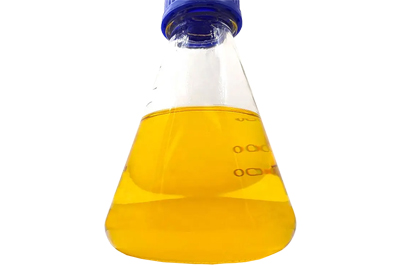
To meet diverse industrial needs, sodium hydrosulfide is available in both liquid and solid forms.
Liquid Sodium Hydrosulfide (32%–48%)
Suitable for direct industrial dosing systems.
Available Packaging:
-
Drums
-
IBC tanks
-
ISO tanks (bulk transport)
Solid Sodium Hydrosulfide (70% Min Flakes)
Preferred for easier storage and longer shelf life.
Available Packaging:
-
25 kg bags
-
900 kg jumbo bags
Why Sodium Hydrosulfide Is Essential in Modern Industry
The widespread use of NaHS reflects its importance in:
-
Resource extraction
-
Environmental protection
-
Chemical synthesis
-
Industrial manufacturing
Its ability to function as a reducing agent, sulfur donor, and metal precipitant makes it indispensable across global supply chains.
Conclusion
Sodium Hydrosulfide (NaHS) is a critical industrial chemical with diverse applications spanning mining, tanning, pulp production, wastewater treatment, agrochemicals, and dye manufacturing.
With defined physical properties, a controlled production process, and flexible packaging options, NaHS remains a key material in modern industry. Choosing high-purity sodium hydrosulfide and appropriate packaging ensures safety, efficiency, and regulatory compliance.
For tailored specifications, bulk supply options, or technical consultation, partnering with a reliable sodium hydrosulfide supplier is essential for long-term operational success.