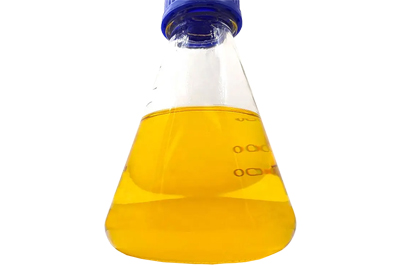
Sodium hydrosulfide (NaHS) is a critical industrial chemical used across mining, pulp and paper, water treatment, tanning, and chemical manufacturing. As global industrial standards tighten and environmental compliance becomes stricter, sourcing high-quality sodium hydrosulfide is more important than ever.
Low-grade NaHS can reduce process efficiency, damage equipment, and increase environmental risk. This guide provides a practical framework for businesses seeking a reliable NaHS supplier and long-term supply stability.
Why Sodium Hydrosulfide Matters in Industry
1. Mining Industry
In mining, NaHS plays a key role in ore flotation. It modifies mineral surface properties to improve separation efficiency.
Typical applications include:
-
Copper ore flotation
-
Zinc and lead mineral separation
-
Precious metal recovery
By controlling flotation behavior, sodium hydrosulfide enhances metal purity and improves recovery rates.

2. Pulp and Paper Processing
In chemical pulping processes, NaHS assists in:
-
Delignification
-
Improving pulp yield
-
Enhancing fiber quality
It is also used in artificial fiber production as a stabilizer or desulfurizing agent.
3. Water and Wastewater Treatment
Thanks to its strong reducing properties, sodium hydrosulfide is used to:
-
Remove heavy metals (copper, lead, cadmium)
-
Precipitate metal sulfides
-
Assist in industrial wastewater treatment
This makes it an important chemical for environmental compliance.
4. Tanning and Leather Processing
In the tanning industry, NaHS supports:
-
Dehairing
-
Softening processes
-
Controlled alkaline treatment
Its reducing properties improve processing efficiency.
5. Chemical Manufacturing
As a reducing agent, sodium hydrosulfide is used in:
-
Organic synthesis
-
Dye manufacturing
-
Pharmaceutical intermediates
-
Rubber additives and pesticides
Its sulfur content makes it a valuable raw material in multiple chemical reactions.
Market Demand Trends for NaHS
Global demand for sodium hydrosulfide continues to grow due to:
-
Expanding mining operations
-
Rising wastewater treatment standards
-
Industrialization in emerging markets
-
Stricter environmental regulations
As regulatory bodies such as the United States Environmental Protection Agency enforce tighter discharge standards, industries require consistent, high-purity NaHS for compliance.
The trend clearly points toward stable, high-quality supply partnerships rather than short-term purchasing.
Key Factors When Selecting a Sodium Hydrosulfide Supplier
Choosing the right supplier directly impacts production efficiency and operational safety.
1. Product Quality
Purity Levels
High-purity NaHS ensures:
-
Stable chemical reactions
-
Improved production yield
-
Reduced impurities in final products
Low purity may introduce contaminants that disrupt industrial processes.
Quality Control Systems
Reliable suppliers conduct:
-
Batch purity testing
-
pH value analysis
-
Moisture content checks
-
Third-party certification
Consistent quality control reduces operational risk.

2. Reliability and Reputation
Supplier Track Record
A long-standing market presence often indicates:
-
Financial stability
-
Production capability
-
Delivery consistency
Customer Reviews
Testimonials from mining plants, pulp mills, or chemical manufacturers provide insight into supplier performance and service reliability.
3. Production Capacity and Supply Stability
Adequate Production Capacity
Your supplier should scale with your business growth. Confirm:
-
Annual production output
-
Inventory management capability
-
Emergency supply capacity
Supply Chain Resilience
Strong suppliers maintain:
-
Reliable raw material sourcing
-
Multiple transportation channels
-
Contingency planning
This ensures uninterrupted sodium hydrosulfide supply even during disruptions.
4. Technical Support and Customer Service
Technical Expertise
An experienced supplier should offer guidance on:
-
Proper dosage
-
Storage conditions
-
Handling procedures
-
Safety compliance
Responsive Communication
Quick response times are essential when:
-
Adjusting delivery schedules
-
Managing urgent orders
-
Addressing quality concerns
Strong after-sales service builds long-term trust.
COTEC has built a reputation as a professional sodium hydrosulfide manufacturer and supplier.
Quality Assurance
Advanced Manufacturing Facilities
Modern production systems ensure:
-
Controlled reaction processes
-
Stable chemical composition
-
High purity output
Strict Testing Protocols
Each batch undergoes rigorous inspection to ensure product consistency and compliance with industry standards.
Reliable Supply Capability
Industry Experience
Years of operational expertise reflect stable production and delivery performance.
Robust Supply Chain Management
Strong partnerships with raw material providers and logistics companies reduce risk and ensure timely shipments.
Technical Expertise and Customized Solutions
COTEC Chemical provides:
-
Dedicated technical specialists
-
Customized purity specifications
-
Application-specific product solutions
Whether serving mining flotation systems or wastewater treatment plants, tailored sodium hydrosulfide solutions improve efficiency.
Procurement Process for Sodium Hydrosulfide
A structured purchasing process helps minimize risk and maximize value.
1. Request for Quotation (RFQ)
Preparing an Effective RFQ
Include:
-
Required purity level
-
Quantity and packaging specifications
-
Delivery timeline
-
Compliance requirements
Clear documentation ensures accurate pricing.
Evaluating Supplier Quotes
Do not focus on price alone. Consider:
-
Product quality
-
Logistics support
-
Technical service
-
Long-term stability
The lowest quote may not deliver the best value.
2. Contract Negotiation
Key Contract Terms
Ensure clarity on:
-
Pricing structure
-
Delivery schedules
-
Payment terms
-
Quality guarantees
-
Dispute resolution
Negotiation Strategy
Research market pricing trends and supplier capabilities to secure favorable terms while maintaining a long-term partnership mindset.
3. Logistics and Storage Considerations
Transportation
Sodium hydrosulfide must be:
-
Shipped in corrosion-resistant containers
-
Properly labeled
-
Compliant with hazardous chemical transport regulations
Storage Guidelines
To maintain stability:
-
Store in sealed containers
-
Keep in dry, ventilated environments
-
Avoid contact with acids
-
Prevent moisture exposure
Improper storage can lead to degradation and hydrogen sulfide gas release.

Conclusion
Sourcing high-quality sodium hydrosulfide is a strategic decision that directly impacts production efficiency, environmental compliance, and operational safety.
When selecting a NaHS supplier, prioritize:
-
Verified product purity
-
Strong quality control systems
-
Reliable production capacity
-
Stable supply chain management
-
Technical expertise and responsive service
A structured procurement process—combined with long-term supplier evaluation—ensures sustainable supply and minimizes industrial risk.
Choosing the right sodium hydrosulfide partner is not just about price. It is about reliability, performance, and long-term business stability.